.webp)
How does seasonal harvest affect 30% grade pricing and availability?
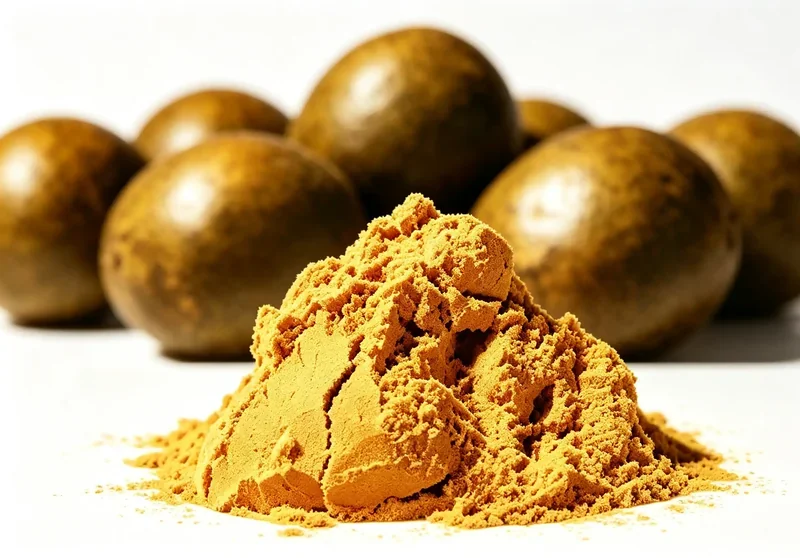
Monk fruit is harvested once per year (September–November), creating a predictable seasonal pricing and availability pattern. The 30% grade follows the same cycle, with one nuance: because resin enrichment is capacity-constrained, the 30% grade can see slightly tighter availability during peak season.
Annual Availability Cycle
| Period | Raw Material Availability | Pricing | 30% Grade Availability |
|---|---|---|---|
| Sep–Nov (harvest) | Abundant | Lowest of year | Full capacity |
| Dec–Feb | Stocked raw material | Moderate | Good (buffer built) |
| Mar–Jun | Inventory from harvest | Stable | Good |
| Jul–Aug | Inventory depleting | Highest of year | Tighter — plan ahead |
Optimal Purchasing Strategy
- January–March: Best value — post-harvest supply, full capacity, prices near annual low
- April–June: Good availability, stable pricing
- July–August: Premium pricing, reduced availability — avoid large spot orders
- September–November: New harvest pricing — best time to lock forward contracts
For the 30% grade, we recommend ordering during January–March to secure both best price and reliable availability. We can warehouse your order and release on schedule under a scheduled shipment contract.
Relate Products
This article was published on 2026-09-02, and last updated on 2026-09-02. The article will be continuously updated.