
How Can You Use Omega-7 Content to Detect Sea Buckthorn Fruit Oil Being Substituted for Seed Oil?
Treat omega-7 (palmitoleic acid) as a fingerprint rather than a nutrient: benchmark it against the fatty acid profile of a lot you have already validated, and if an incoming batch shows an order-of-magnitude rise in omega-7 while the omega-3:omega-6 ratio drifts away from ≈1:1, quarantine and retest. The structural difference between seed oil and fruit oil is stable and measurable, which makes this the cheapest adulteration screen a buyer has.
Fruit oil costs less than seed oil, so the incentive to blend it in never really goes away. The buyer pays for it in four ways: the ratio collapses, the omega balance claim loses its evidence, the formulation has to be reworked, and a downstream audit can turn a saving into a much larger cost.
You do not need exotic equipment to catch it. A full fatty acid profile plus one validated reference lot will stop most of the problem at the goods-inward stage. This article covers the profiles, the reading method, the supporting signals, the incoming check and the contract language.
Why Does Fruit Oil Substitution Happen, and What Does It Actually Cost You?
The economics are simple: fruit oil is cheaper, and a blend can pass a casual glance because both oils come from the same plant.
| Consequence | What it looks like | Cost |
|---|---|---|
| Ratio collapse | Omega-3:omega-6 no longer near 1:1 | Claim loses its evidence base |
| Specification drift | Omega-3 moves outside tolerance | Reformulation, AUD 5,000–20,000 |
| Audit exposure | Undisclosed blend found downstream | Listing and range review risk |
| Quality knock-on | Colour and odour shift | Complaints and returns |
For compliance colleagues this is a one-vote-veto category risk: releasing an adulterated lot is far more damaging than rejecting a borderline one.
What Is the Fatty Acid Signature of Seed Oil Versus Fruit Oil?
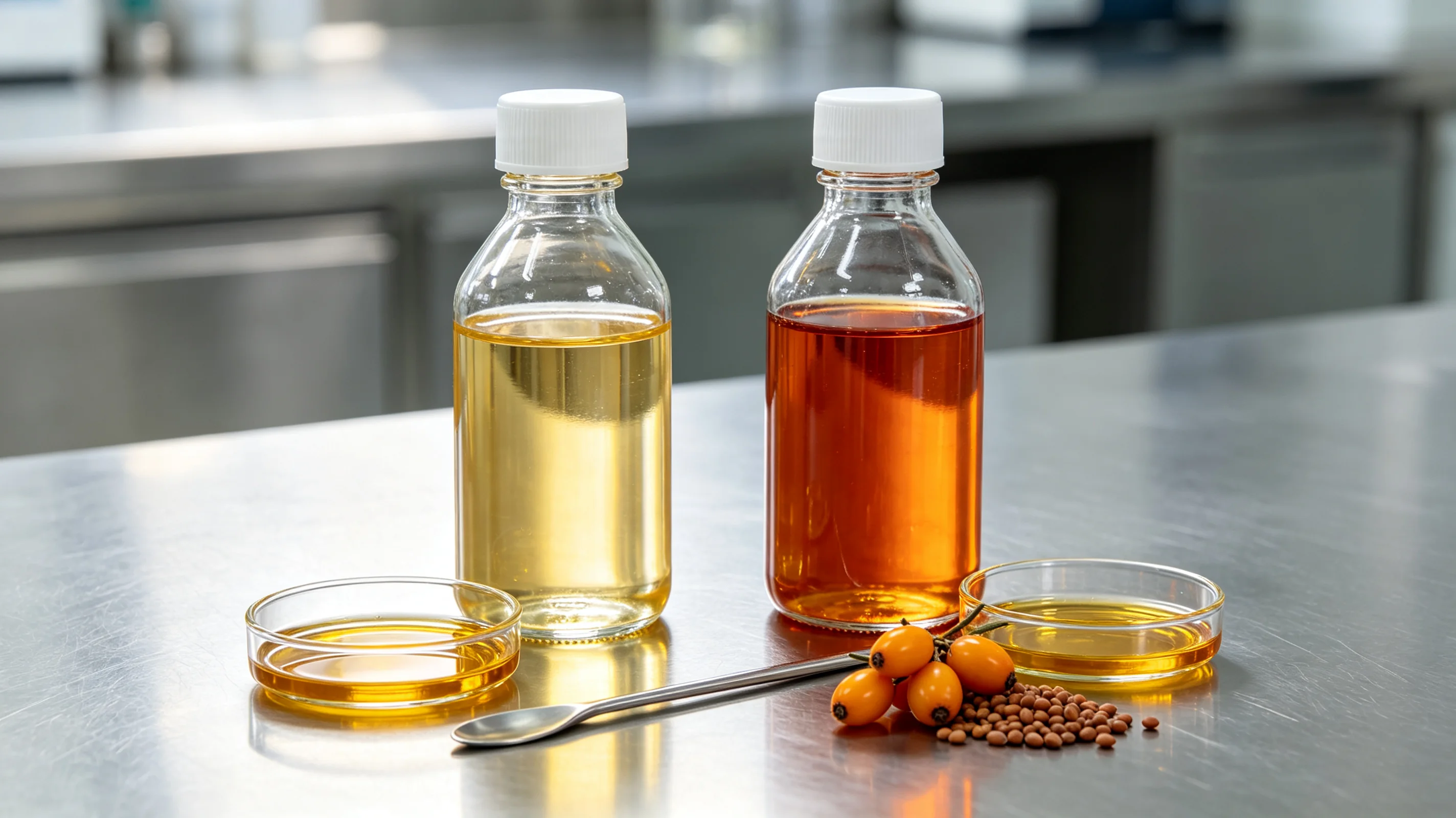
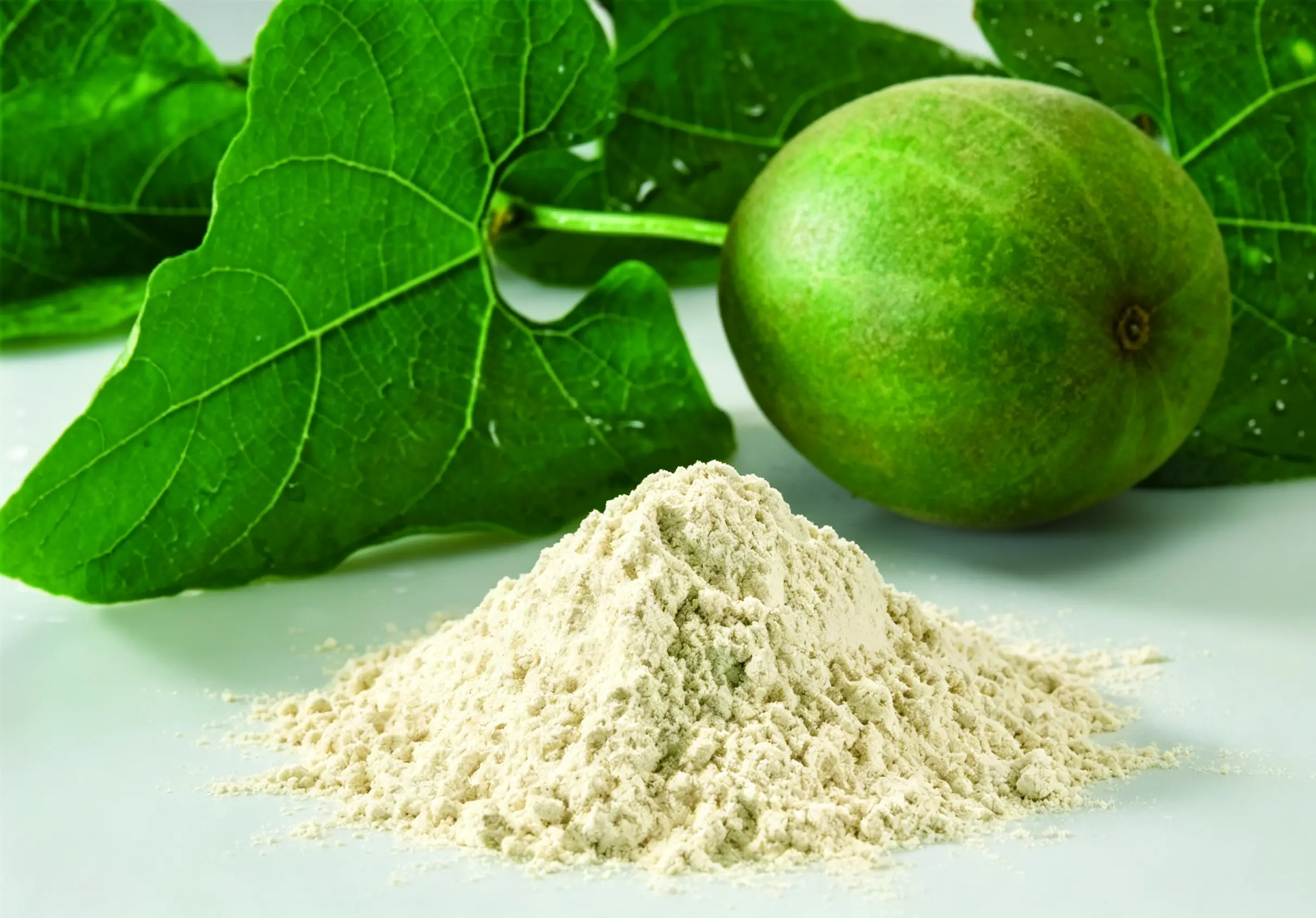
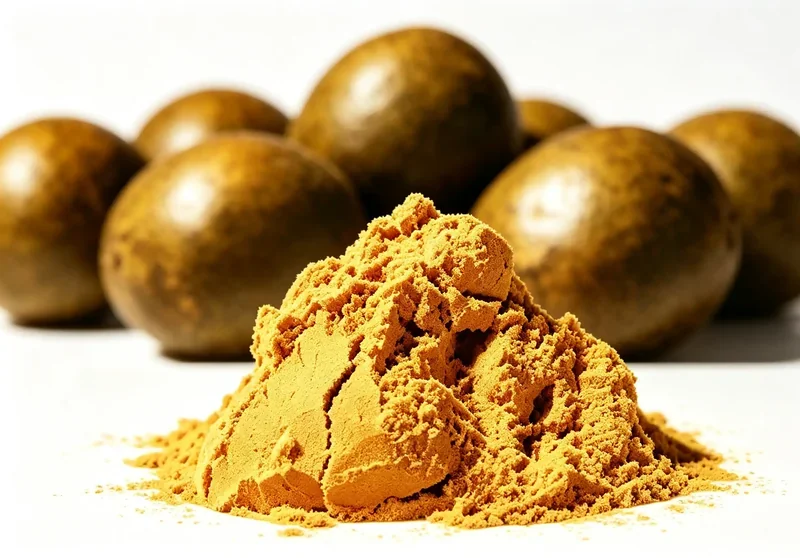
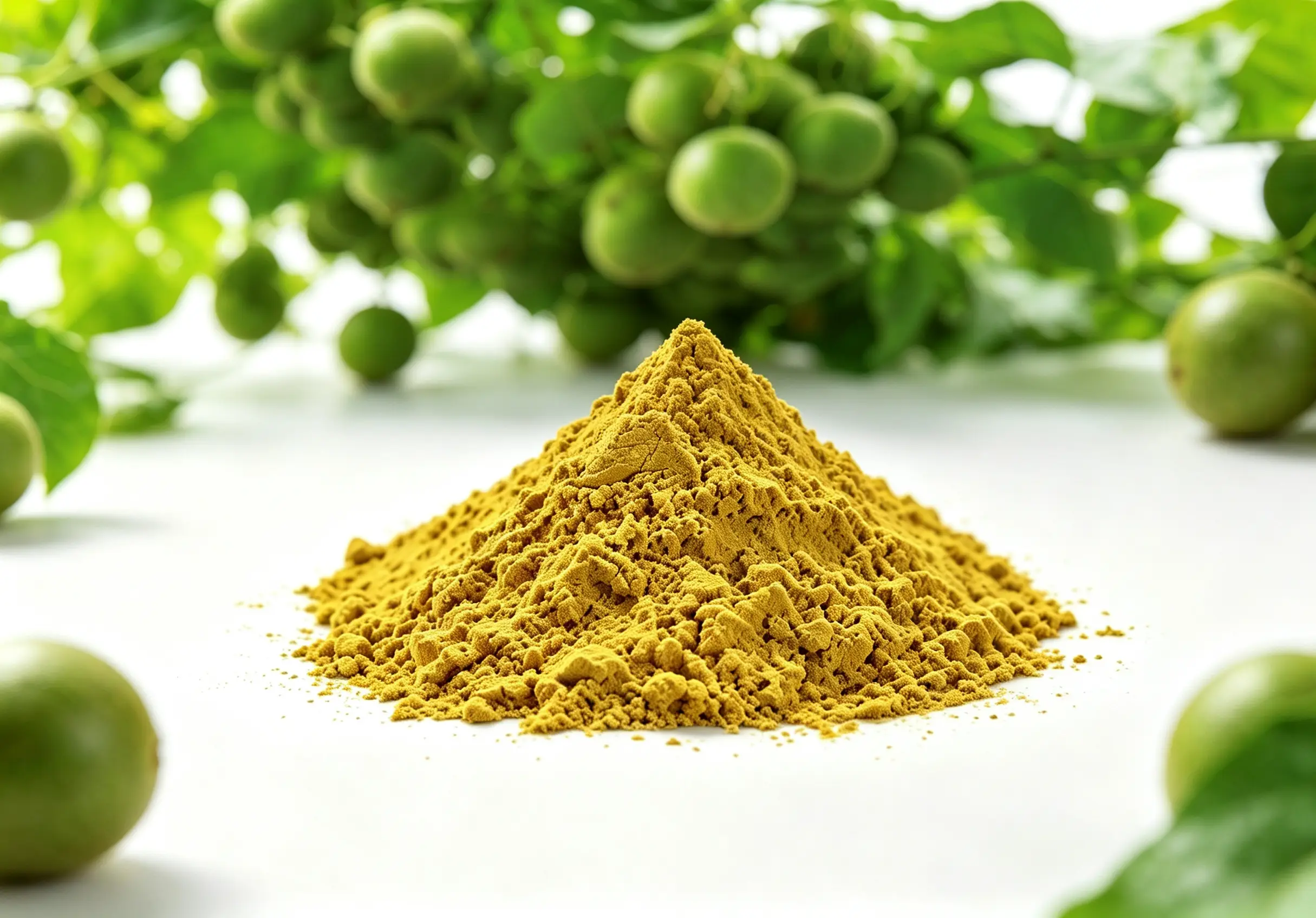
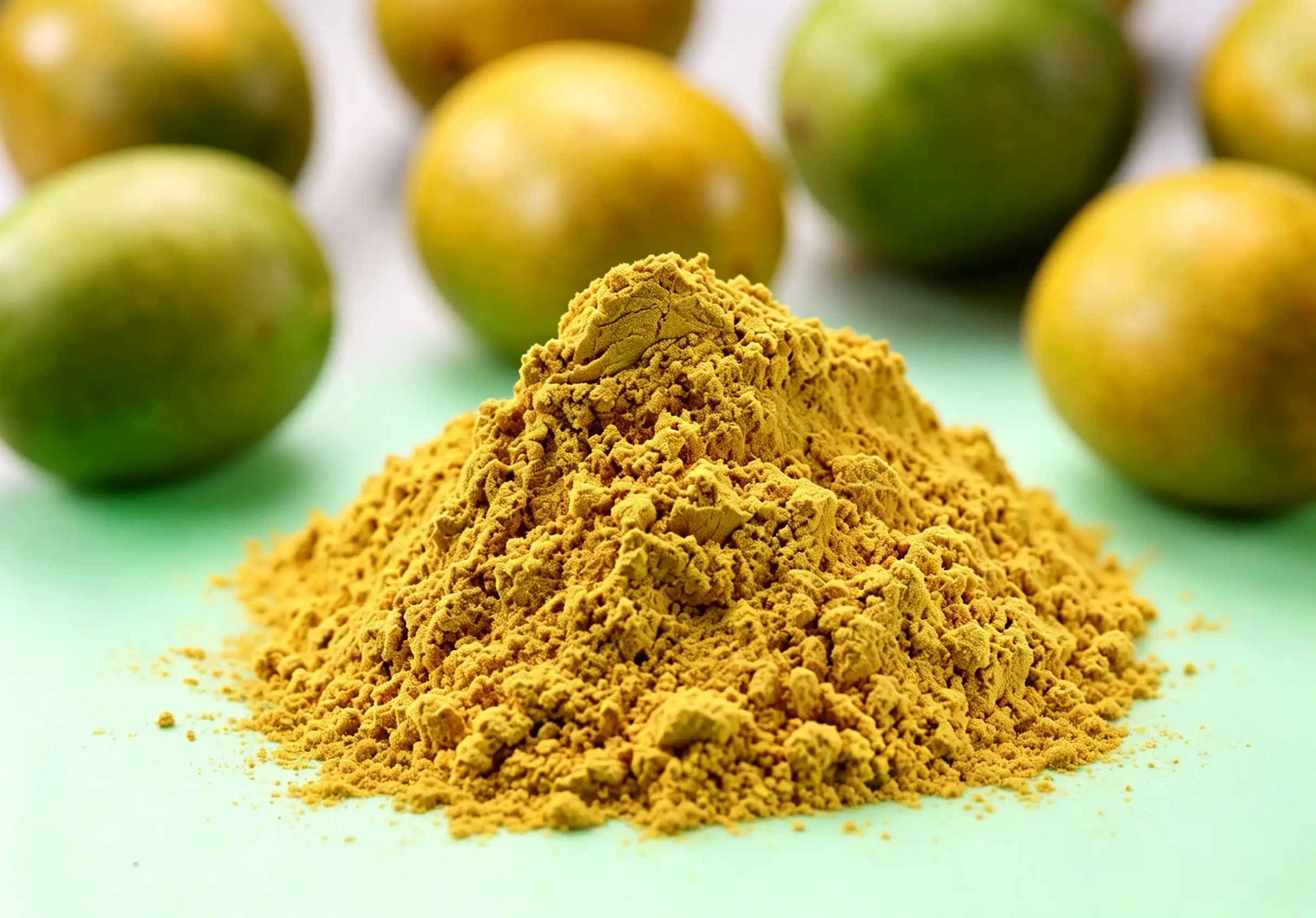
Both oils come from sea buckthorn, but their fatty acid structures are reliably different.
| Dimension | Sea buckthorn seed oil | Sea buckthorn fruit oil |
|---|---|---|
| Omega-3 | High, typically ≥ 30% (ALA) | Lower |
| Omega-6 | 30–38% | Different balance |
| Omega-3 : omega-6 | Near 1:1 | Skewed, not near 1:1 |
| Omega-7 (palmitoleic acid) | Low | Markedly higher |
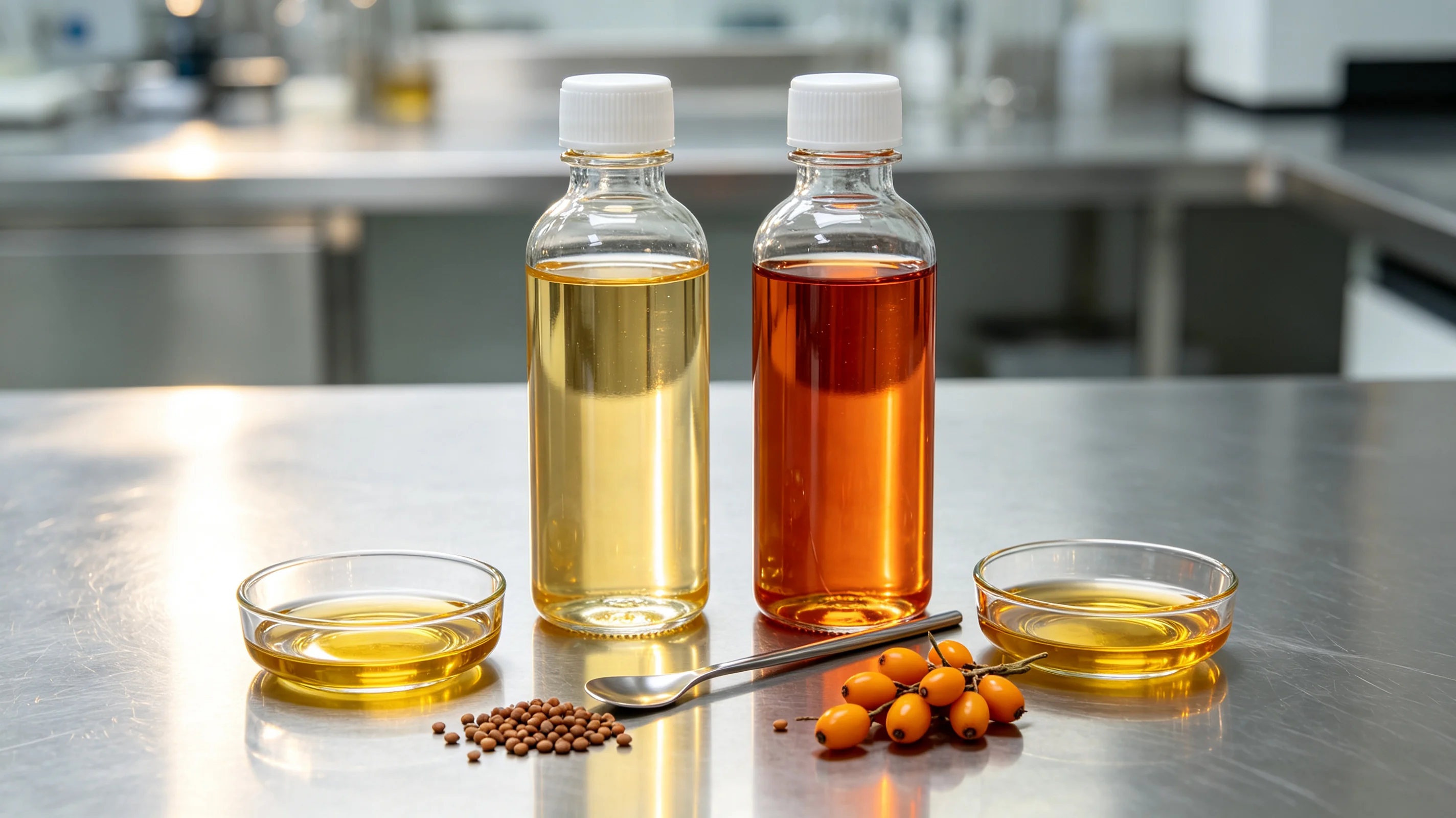
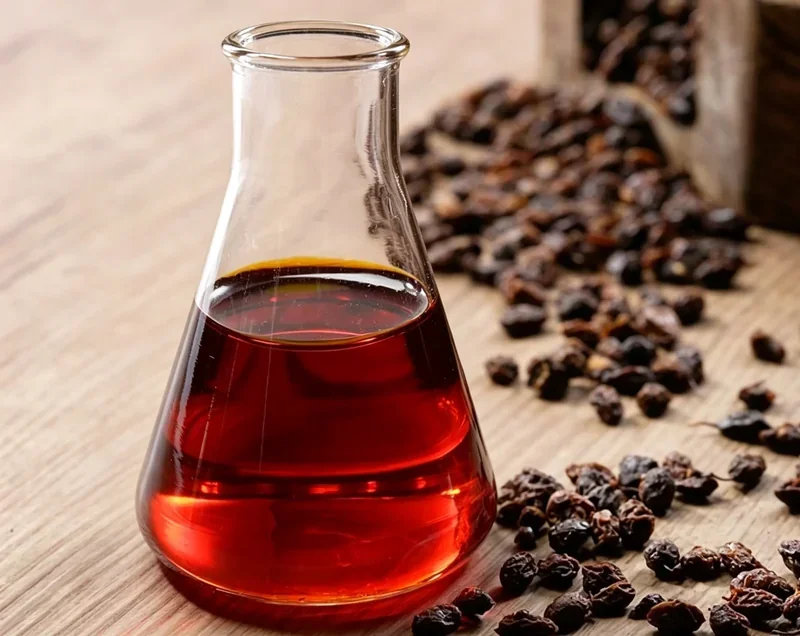
| Colour | Lighter | Deeper orange to red |
| Odour | Mild seed note | Stronger fruity note |
| Typical positioning | Plant omega-3, omega balance | Omega-7, skin and mucosal care |
How Do You Read Omega-7 on a COA Without Over-Claiming a Threshold?
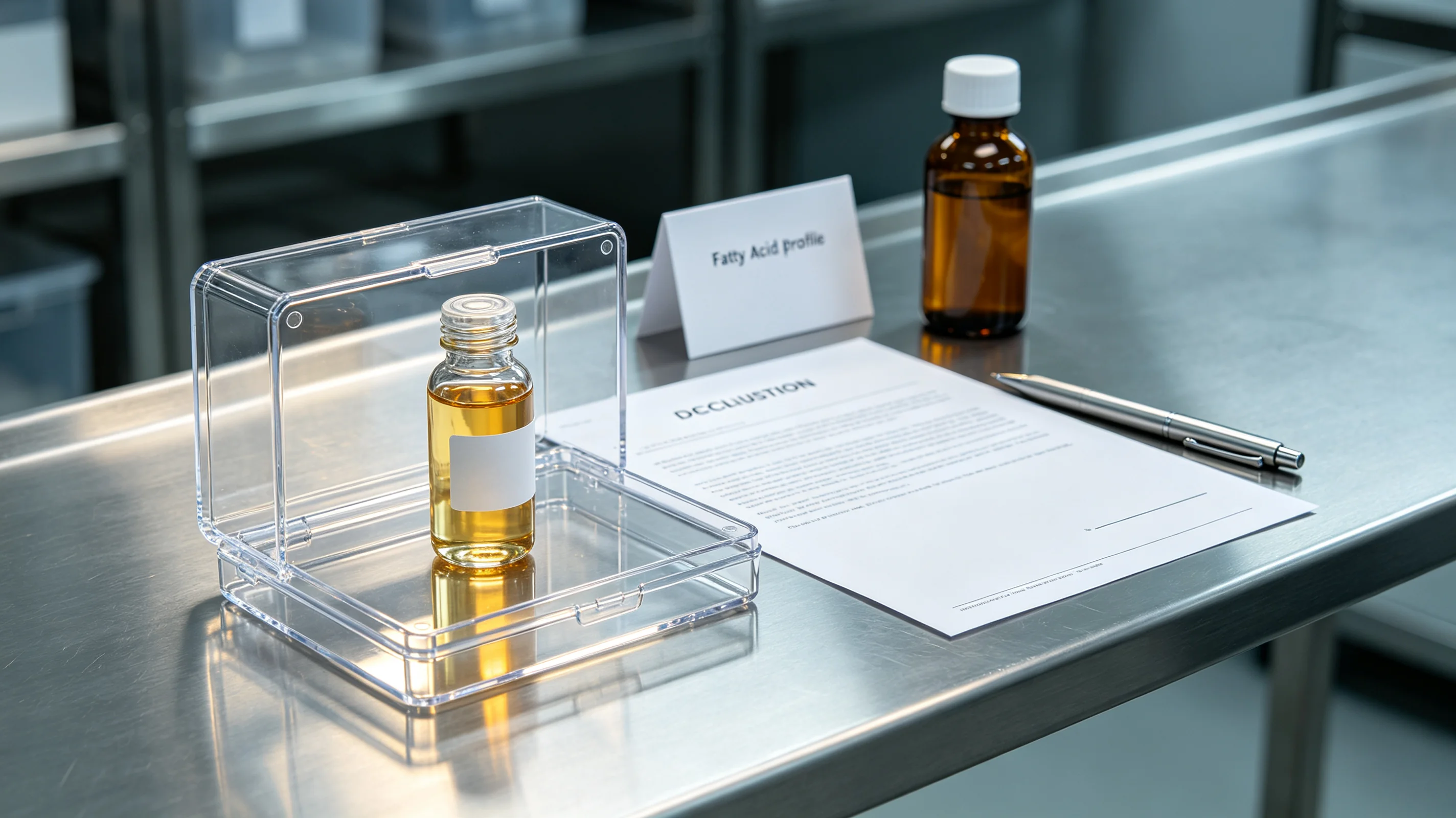
Omega-7 is palmitoleic acid (C16:1). In this context it is an identification marker, not a selling point, and it should be read comparatively.
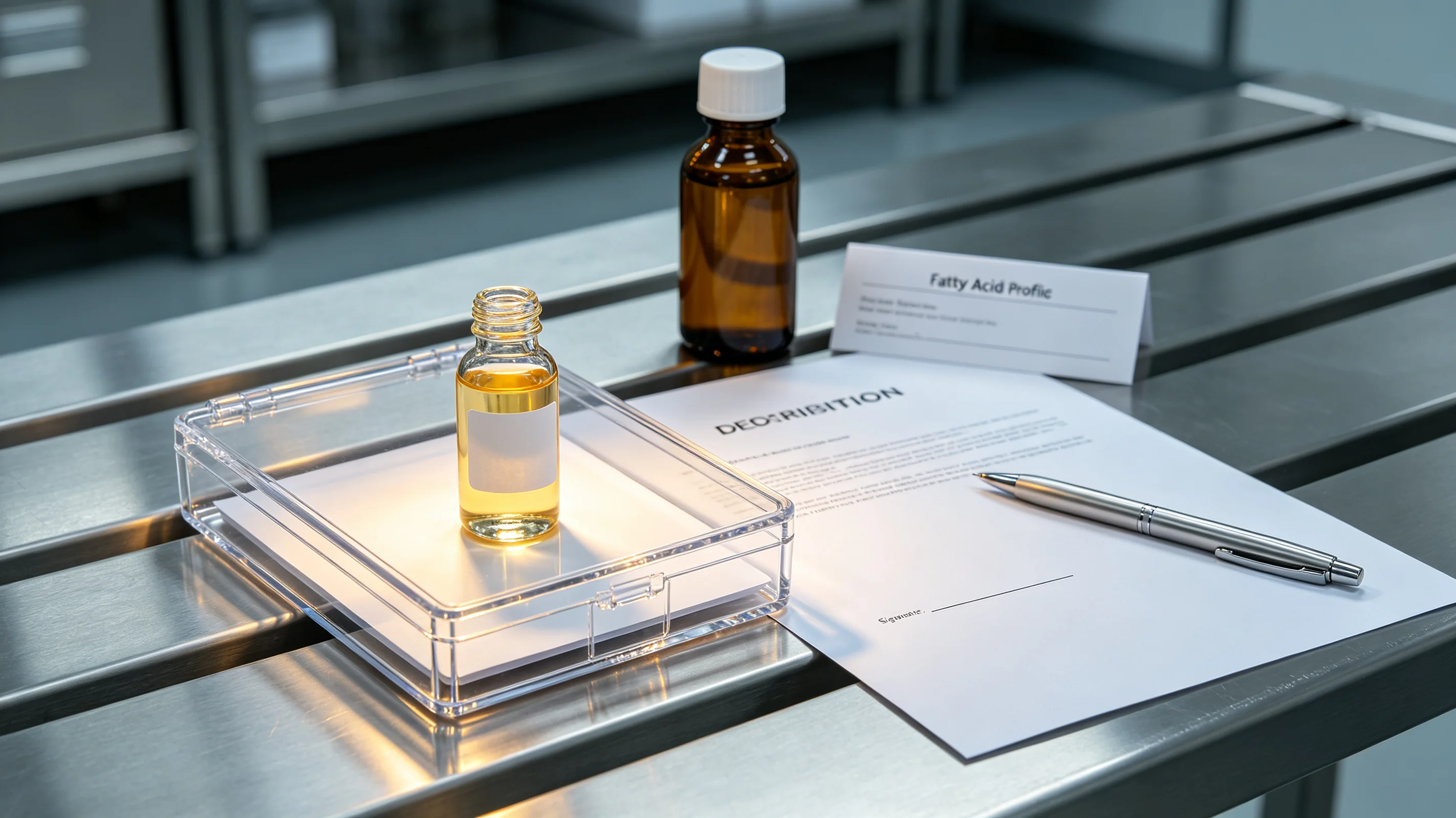
Benchmark, do not absolutise. There is no threshold you should apply blindly across origins, processes and laboratories. Establish the omega-7 level on a lot your formulation was validated against, then treat a material change from that benchmark as the signal.
Look for order-of-magnitude movement. Small lot-to-lot movement is normal. A step change that puts omega-7 in a different range altogether, especially alongside a ratio shift, is not normal variation.
Agree the method with your laboratory. Absolute numbers depend on the method and the basis of calculation. Fix the method once, keep it constant, and your series stays comparable. Set any numerical trigger with your laboratory and your own validation data rather than borrowing a figure from a supplier's marketing sheet.
The three reading errors buyers make
Reading omega-7 in isolation. Always read it with the ratio. One number invites argument; two numbers moving together make the case.
Benchmarking against someone else's lot. Your reference has to be a lot you actually validated, retained and can retest.
Ignoring sampling. A non-representative sample produces a confident wrong answer. Sample under controlled conditions and keep the retain.
Which Additional Signals Confirm or Clear the Suspicion?
Omega-7 rarely travels alone. These signals help you decide whether to hold or release.
| Signal | What it suggests | Action |
|---|---|---|
| Ratio drifts away from ≈1:1 | Blending or origin change | Quarantine and retest |
| Colour difference rises | Fruit oil is deeper coloured | Compare against reference |
| Odour becomes fruity | Fruit oil signature | Sensory panel against reference |
| PV or AV out of range | Freshness or handling issue | Reject on quality grounds |
| Price far below cost line | Something is being substituted | Ask for a full profile before buying |
| Documents do not match goods | Governance problem | Hold the shipment |
| Supplier avoids seed-versus-fruit questions | Disclosure risk | Require written confirmation |
How Do You Build an Adulteration Check Into Incoming QC?
Make it a routine step, not an investigation.
| Step | Action | Decision |
|---|---|---|
| 1 | Verify documents: batch COA, full fatty acid profile, batch number match | Mismatch = hold |
| 2 | Sample under controlled conditions | Representative sample retained |
| 3 | Test or review the full profile, including omega-7 and the ratio | Compare to reference lot |
| 4 | Apply the trigger: order-of-magnitude omega-7 change plus ratio shift | Trigger = quarantine |
| 5 | Retest with a third party if triggered | Confirmed = claim |
| 6 | Release or reject, and log to the scorecard | Both outcomes recorded |
Retain every batch for 24 months. The retain is what lets you retest when a downstream customer questions a lot months later.
What Contract Language Stops This Before It Starts?
Prevention is cheaper than detection, and detection is cheaper than a claim.
| Clause | Suggested content | Why |
|---|---|---|
| Product identity | Name the material as seed oil, with botanical part stated | Removes ambiguity |
| No-blending commitment | Written undertaking that no other oil is added | Creates a clear breach condition |
| Full profile per batch | Fatty acid profile, including omega-7, on every COA | Makes screening possible |
| Reference sample | Sealed reference lot agreed by both parties | Defines the benchmark |
| Retain obligation | 24 months, both sides, batch linked | Enables retest |
| Remedy | Replacement or credit, plus testing costs | Predictable outcome |
| Audit rights | Right to audit or appoint a third party | Deters substitution |
| Traceability | Batch-to-origin record | Supports investigation |
What Do You Do If Substitution Is Confirmed?
Act in sequence, and keep it written.
| Stage | Action | Timeframe |
|---|---|---|
| 1 | Quarantine the lot and any finished goods made from it | Immediate |
| 2 | Assemble the evidence pack: COAs, profiles, retains, PO, clause | Same day |
| 3 | Third-party retest against the reference lot | Within days |
| 4 | Notify the supplier and open a claim | Immediate |
| 5 | Agree replacement, credit or tested concession | 5–10 working days |
| 6 | Review whether claims and listing documents are still supported | Before next sale |
| 7 | Score the supplier, and activate an alternative if it repeats | Quarterly review |
FAQ
Does sea buckthorn seed oil contain no omega-7 at all? No—seed oil contains some omega-7, just at a low level. The distinction is one of magnitude and of context, which is why the comparison against your own validated reference lot matters more than any standalone figure.
How high does omega-7 have to be before it is suspicious? Set that with your laboratory and your validation data rather than adopting a generic number. In practice, buyers work with a material step change from the reference lot, confirmed by a simultaneous shift in the omega-3:omega-6 ratio.
Is testing omega-7 enough on its own? No. Read it with the full fatty acid profile and the ratio. Two or three parameters moving together are far more persuasive than one, and much harder to explain away.
Does a small amount of fruit oil really matter? It matters in two ways: it moves the ratio, which weakens the claim you are making, and it is an undisclosed change, which is a governance issue regardless of size.
Who pays for the retest? Agree it in the contract: the party found at fault bears the cost. Without that clause, testing cost becomes a negotiation and delays the outcome.
How do I respond when a supplier says it is the same fruit, just a different part? Ask for the botanical part to be stated on the specification and the COA. Seed oil and fruit oil are different materials with different profiles; if the documents say seed oil, the profile must match seed oil.
What if I only find out after the oil is already in production? Quarantine finished goods, scope the affected batches through batch records, retest the retain, and review whether the finished product still meets its specification and claim basis before any release decision.
What prevents this best before I order? A written no-blending commitment, a full fatty acid profile on every COA, an agreed sealed reference lot, and a supplier who will say clearly which botanical part is being supplied.
Conclusion and Next Steps
Omega-7 is the most reliable and cheapest fingerprint available for separating seed oil from fruit oil, provided you use it comparatively. Benchmark it, read it with the ratio, and make the trigger a rule in your incoming process rather than a judgement call made under pressure.
Four steps to put this in place:
- Seal and retain a validated reference lot with its full fatty acid profile.
- Require the full profile—including omega-7—on every batch COA and in incoming testing.
- Add the no-blending commitment, 24-month retains and audit rights to the contract.
- Set the two-signal quarantine rule, and keep three to five qualified suppliers so rejection is always an option.
Send us your specification and current COA format, and we will return a full fatty acid profile with omega-7 reported, a retained reference sample arrangement, and a no-blending clause you can attach to your next purchase order.
This article was published on 2026-09-08, and last updated on 2026-09-09. The article will be continuously updated.