

Sustainability
Farewell to Linear Development — A Fully Circular Approach
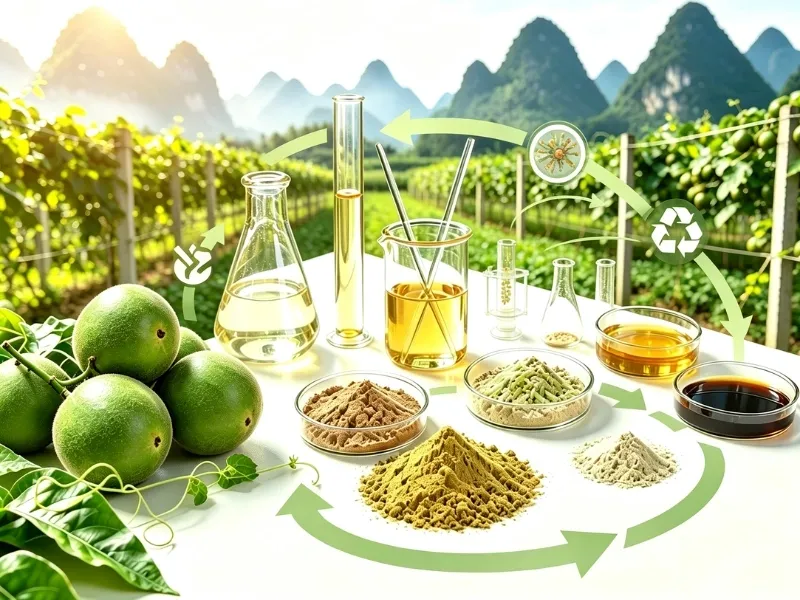
Sustainability in monk fruit isn't an afterthought — it's engineered into every stage. From Guilin's selenium-rich soil to the final product, the industry operates a closed-loop system where nothing is wasted and everything returns to the earth.
The balance between ecological preservation, sustainable production, and economic vitality is achieved through innovative bio-fermentation technology, membrane filtration, and full-chain resource recovery — making monk fruit the world's most responsible natural sweetener.
CIRCULAR ECONOMY
Zero Waste. Full Circle. Every Resource Returned
Monk fruit processing follows a complete closed-loop cycle — from cultivation to extraction to by-product recovery, every output becomes an input somewhere else in the chain.
1. Raw Material Sourcing
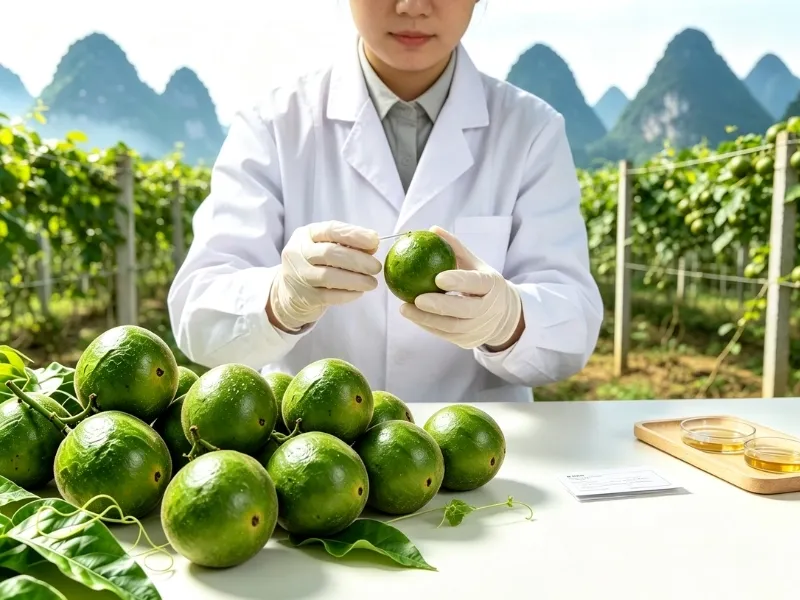
Farmers from contracted planting bases in Yongfu, Longsheng and Lipu counties supply fresh monk fruit. Grown on selenium-enriched soil at 300–500m altitude, every fruit is traceable to its origin.
2. Clean Processing
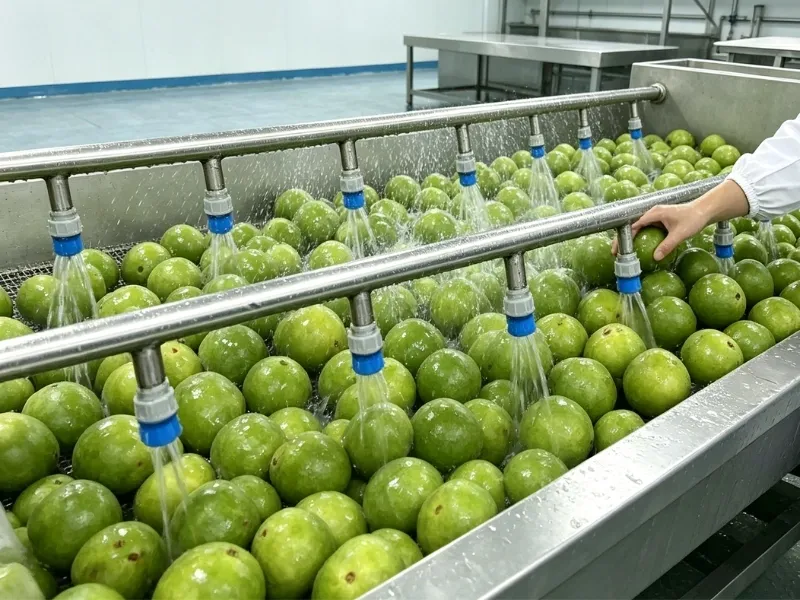
Only water and food-grade ethanol are used throughout extraction. High-efficiency dynamic counter-current lines running on fully automatic digital control consume 60% less energy than traditional factories.
3. By-Product Recovery
After extraction, fruit residue is repurposed as biomass fuel, effectively reducing sulfur dioxide emissions. Shell and seeds containing squalene are recovered for personal care ingredients used in hand sanitizers and facial cleansers.
4. Wastewater to Fertilizer
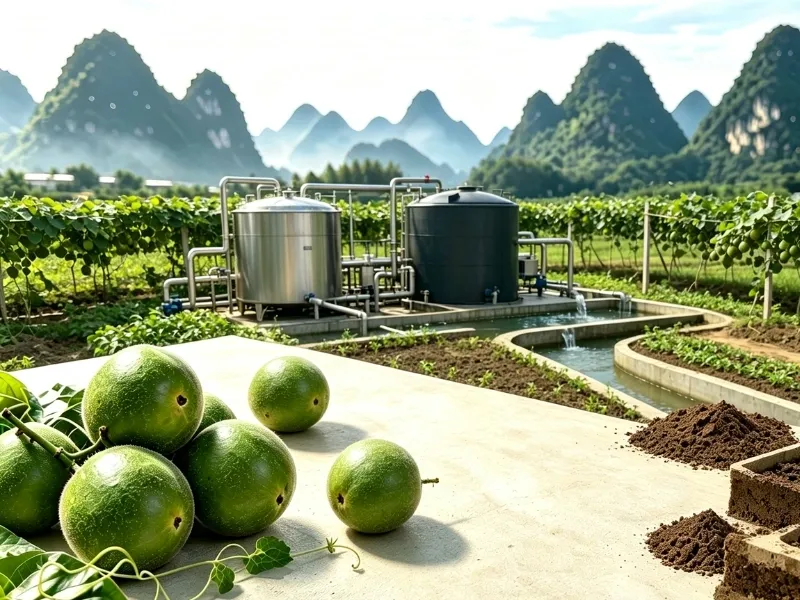
Innovative bio-fermentation technology transforms production wastewater into an odorless, harmless, and nutrient-rich fertilizer. This closes the loop — the fertilizer returns to the fields to nourish the next generation of monk fruit vines.
5. Regenerative Cultivation
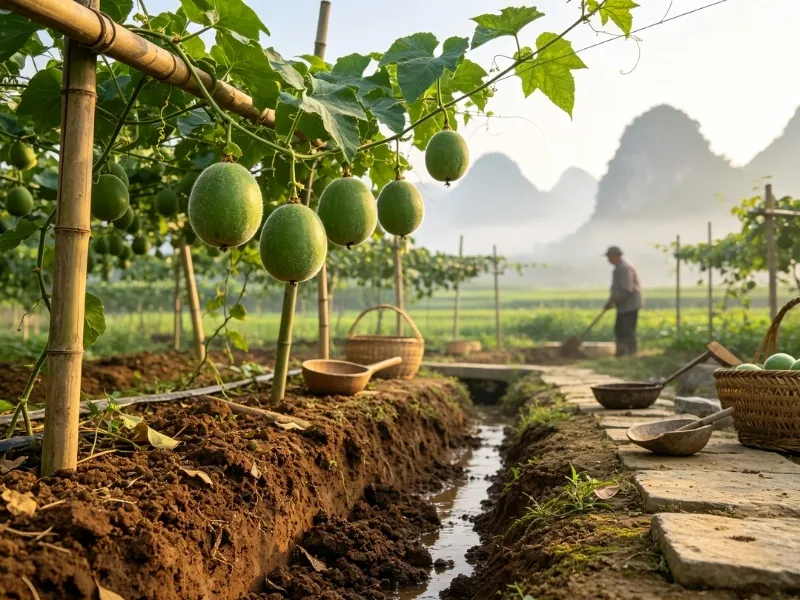
The bio-fermented fertilizer returns to the planting bases in Guilin's Longevity Township, enriching selenium-content soil and sustaining the 800-year tradition of monk fruit farming — a true regenerative cycle.
6. Continuous Improvement
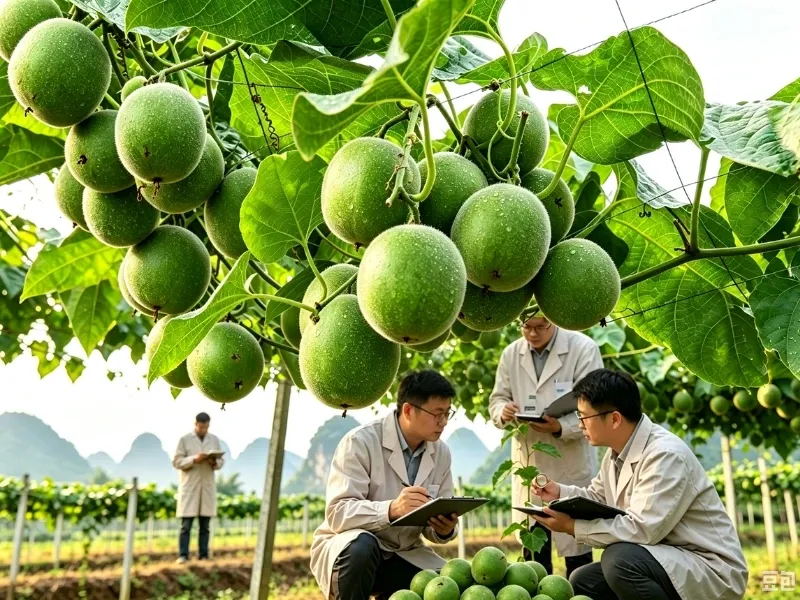
Internal and external quality management audits run regularly across the monk fruit industry. Standards are constantly refined with reference to the latest research findings and best practices in food science and agricultural sustainability.
PRODUCTION EXCELLENCE
Energy-Saving, High-Capacity, Clean Technology
Modern monk fruit extraction facilities are purpose-built for efficiency. Every piece of equipment is chosen to minimize resource consumption while maximizing output quality.
Dynamic Counter-Current Extraction
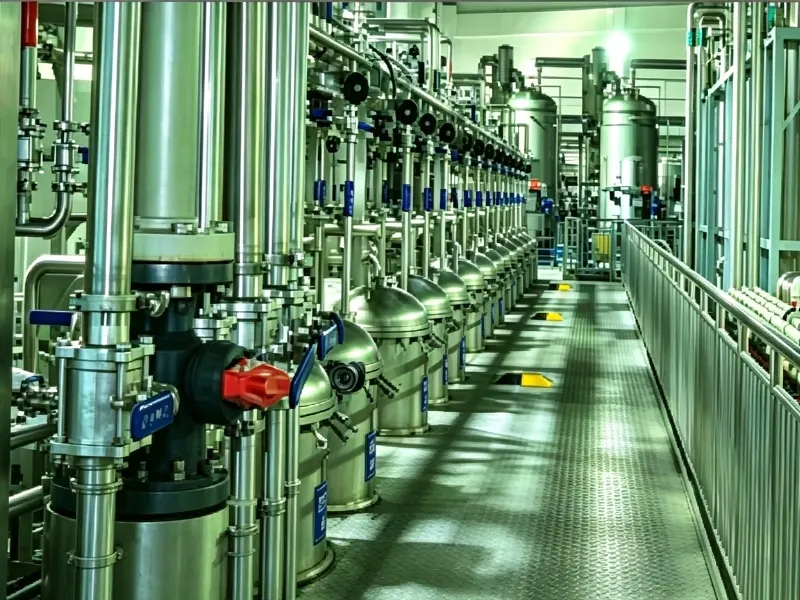
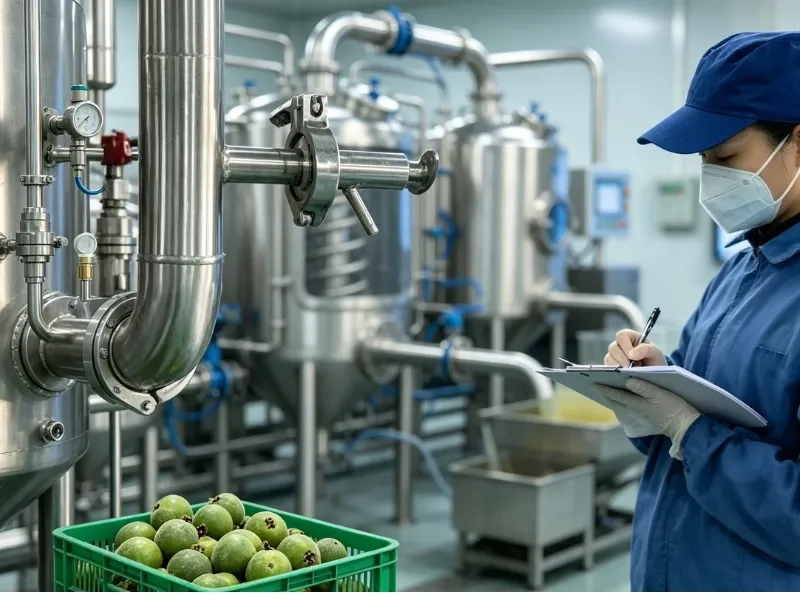
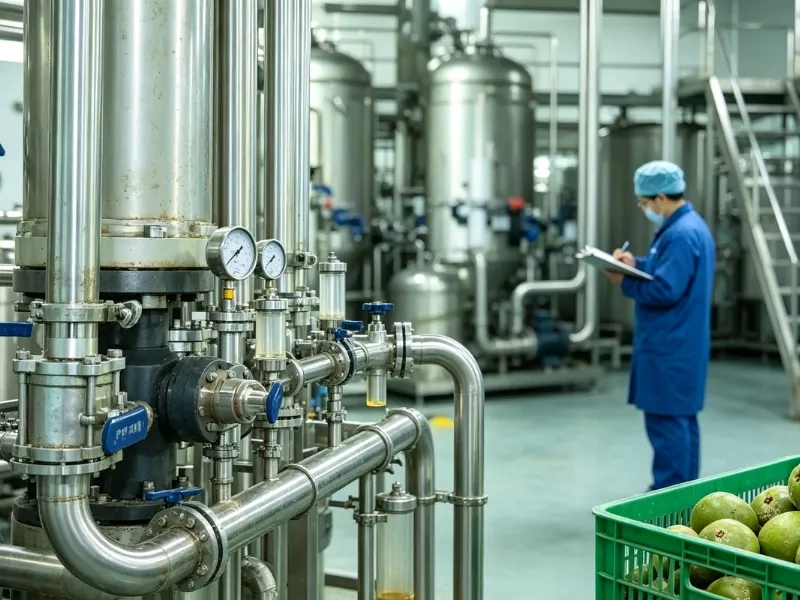
High-efficiency dynamic counter-current extraction technology can process 100 tons of fresh monk fruit daily. Production and waste residue disposal happen simultaneously under fully automatic digital control, maximizing throughput with minimal energy input.
Membrane Concentration & Filtration
Advanced membrane concentration and filtration systems dramatically reduce thermal energy demand compared to traditional evaporation methods — a key contributor to the 60% energy saving over conventional factories. Only water and food-grade ethanol touch the product throughout the entire process.
Quality & Safety Without Compromise
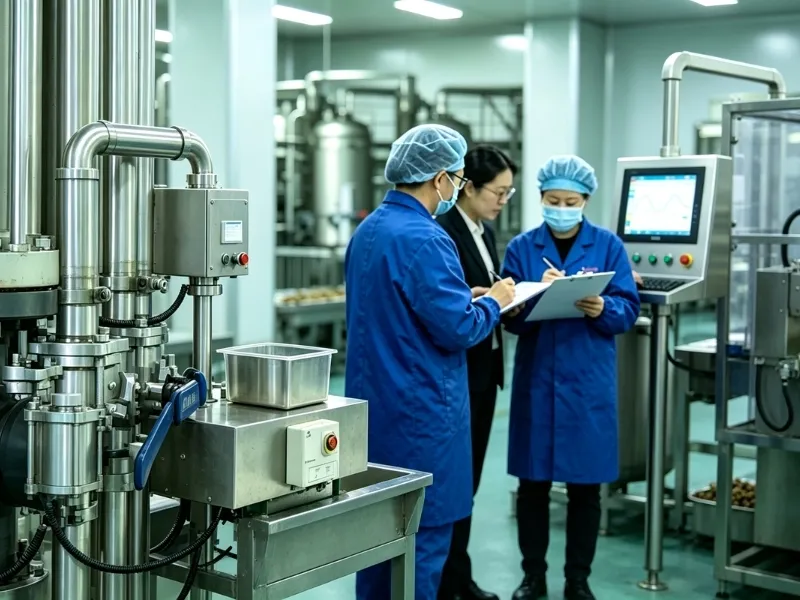
Magnetic rod and metal detectors are integrated into every production line. Strict compliance with GMP, HACCP, and ISO 22000 standards ensures process sampling and full-sided monitoring from raw material selection to finished goods packaging — all while maintaining energy-saving and zero-chemical commitments.
ECOLOGICAL STEWARDSHIP
Preserving Guilin's Pristine Ecosystem
Monk fruit doesn't just benefit from a healthy environment — our growing practices actively protect and enhance the land that sustains it.
National Protected Geographic Indication
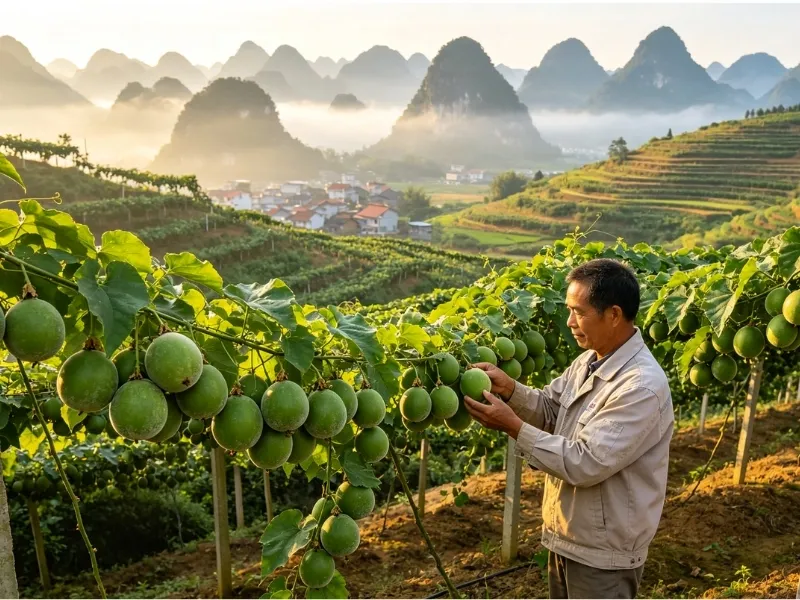
Guilin monk fruit holds China's National Protected Geographic Indication status — a certification that guarantees authenticity, quality and the integrity of traditional cultivation practices. In 2014, agricultural scientist Yuan Longping praised Yongfu as "the Home of Luo Han Guo" during his visit, recognizing the region's unmatched terroir.
Selenium-Enriched Soil & Longevity Residence
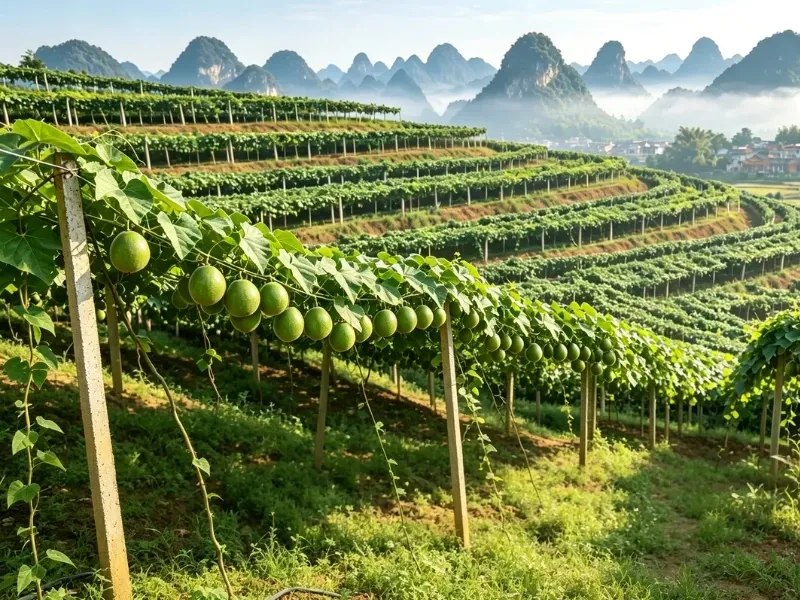
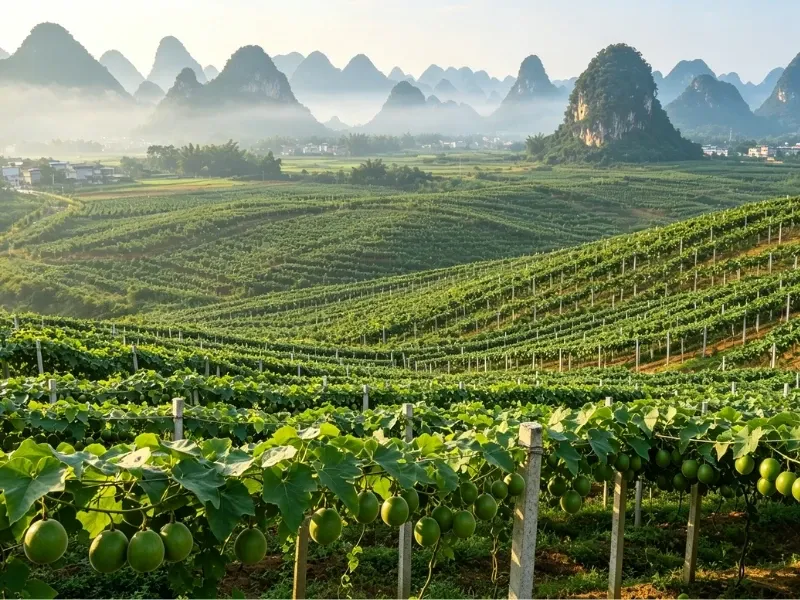
By the end of 2017, Yongfu County had developed 40,000 acres of selenium-enriched monk fruit cultivation across Longjiang, Baishou, Puli and Guangfu townships, averaging 0.38 mg/kg selenium content. Yongfu, Yangshuo and Gongcheng counties have been rated as "Longevity Residences" under authoritative criteria — a testament to the region's extraordinary environmental quality.
Government-Backed Green Development
Guilin government has committed approximately 200 billion USD to developing "Sweet Monk Fruit Industries." Leading companies in municipal agricultural industrialization work closely with the government, driving ecologically responsible growth that benefits the entire region.
SOCIAL RESPONSIBILITY
Rural Revitalization & Fair Farming Partnerships
Sustainability means sustaining people too. A farmer-first model ensures that the communities growing monk fruit share directly in its global success.
Farmer Cooperative Model
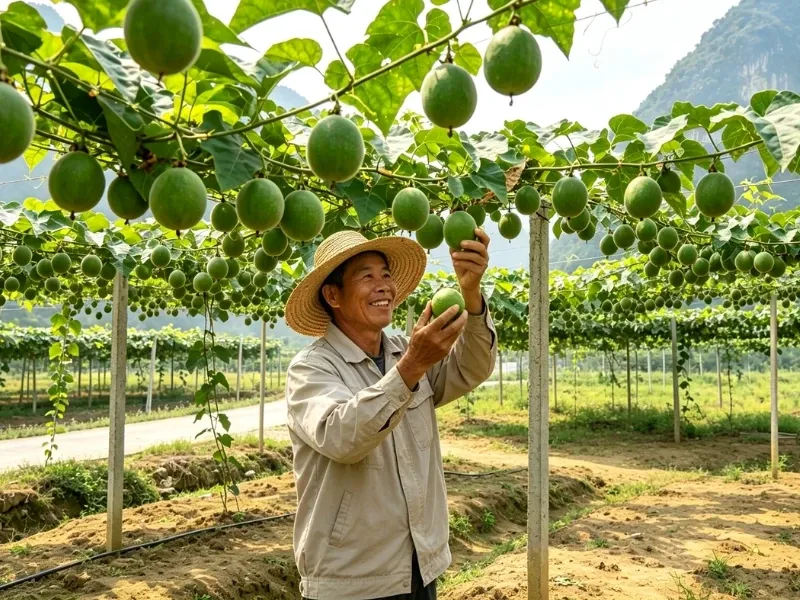
Cultivation bases operate through agricultural credit cooperatives that bring together companies, farmers, pricing mechanisms and planting bases. This model effectively coordinates farmers to ensure stable monk fruit supply while building strong, lasting relationships at every link of the upstream supply chain.
Rural Economy Revitalization
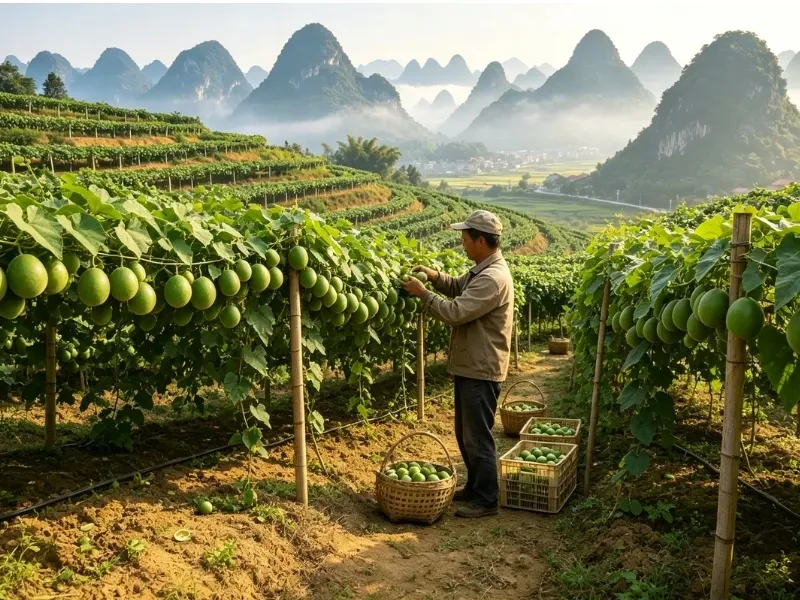
A 10,000-acre planting base across Yongfu, Longsheng and Lipu counties produces 8,000 to 10,000 tons of monk fruit annually. This directly supports rural livelihoods in Guilin's mountain communities — providing stable income for farming families who have cultivated monk fruit for over 800 years, while ensuring a controllable, organized and steadily developing supply chain for the global market.
Healthier People, Healthier Planet
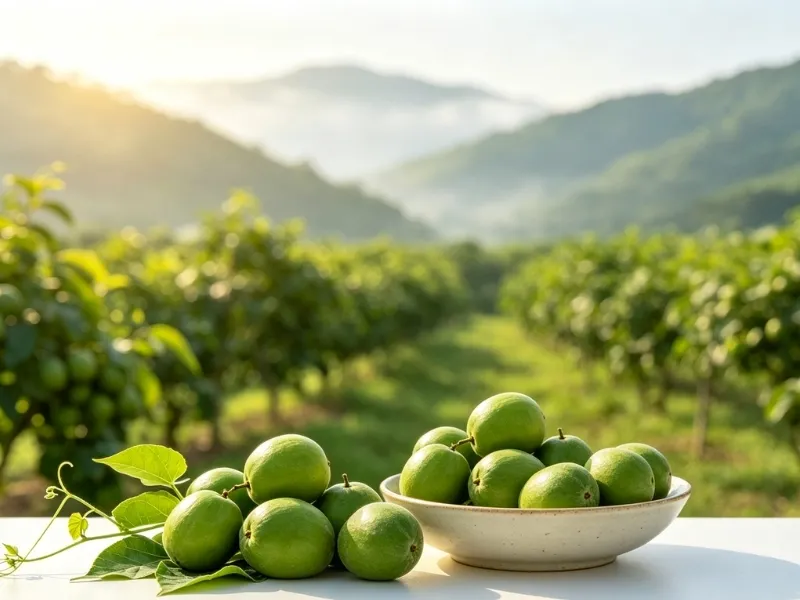
By replacing artificial sweeteners and reducing global sugar consumption, monk fruit extract directly contributes to public health — helping combat obesity (adult overweight rate 30.1% in China, 2012), childhood caries (71.9% prevalence among 5-year-olds), and diabetes (422 million patients globally in 2014). A plant-based, zero-calorie sweetener is sustainability for both body and earth.