.webp)
How does the seasonal harvest affect your pricing and availability throughout the year?
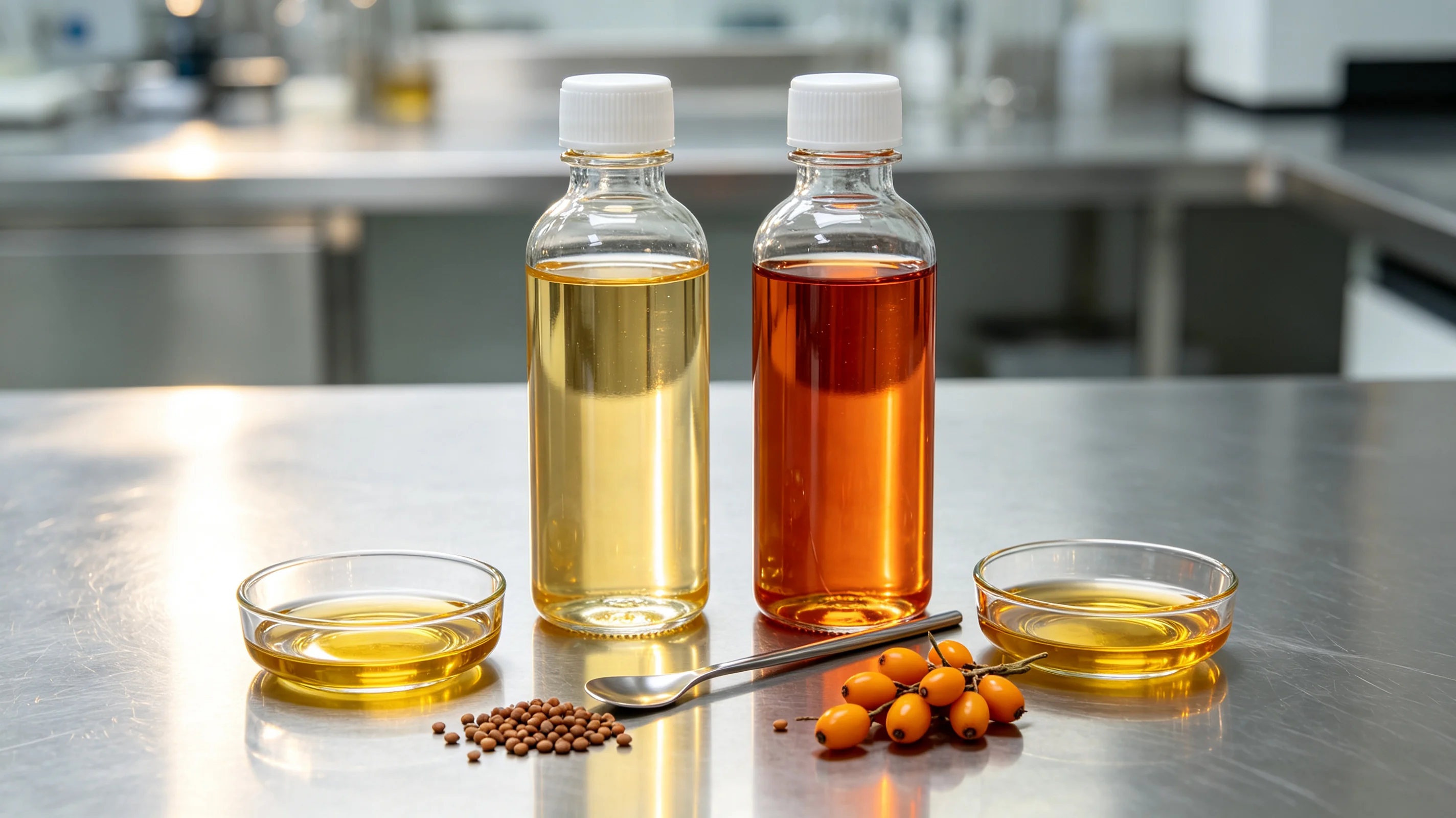
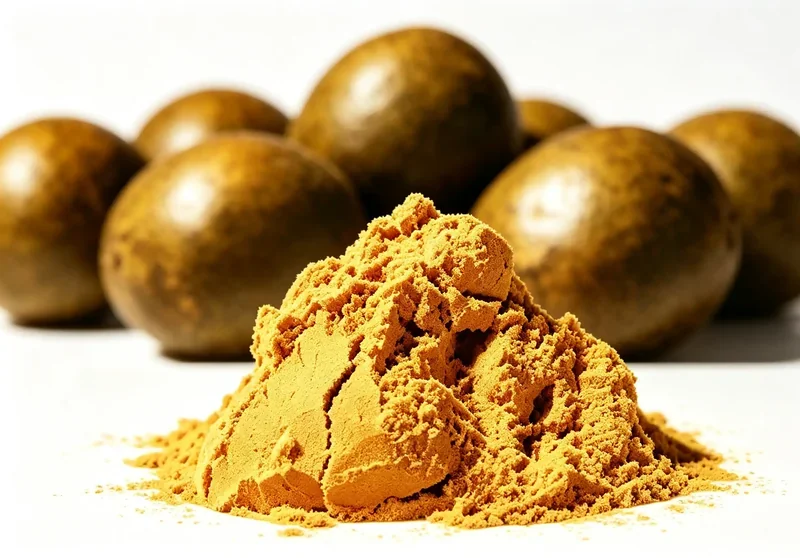
Monk fruit is harvested once per year (September–November), which creates a predictable seasonal pricing and availability pattern. Understanding this cycle helps you optimize your purchasing timing.
Annual Availability Cycle
| Period | Raw Material Availability | Pricing | Production Capacity |
|---|---|---|---|
| Sep–Nov (harvest) | Fresh supply, abundant | Lowest of the year | Full capacity |
| Dec–Feb | Stocked raw material | Moderate | Full capacity |
| Mar–Jun | Inventory from harvest | Stable | Moderate capacity |
| Jul–Aug | Inventory depleting | Highest of the year | Reduced capacity |
Optimal Purchasing Strategy
- January–March: Best value — post-harvest supply, full production capacity available, prices are near their annual low
- April–June: Good availability, stable pricing
- July–August: Premium pricing, reduced availability — avoid large spot orders
- September–November: New harvest pricing announced, good time to lock forward contracts for the coming year
If your market has predictable seasonal demand peaks (e.g., beverage launches in spring), we recommend aligning your order schedule with the January–March window for best pricing. We can warehouse your order and release it on your schedule under a scheduled shipment contract.
Relate Products

This article was published on 2026-09-02, and last updated on 2026-09-02. The article will be continuously updated.