
How Should GMP and Quality Responsibility Be Split in an Australian Sea Buckthorn Seed Oil OEM/ODM Soft Capsule Project?
Do not settle the question with "whoever manufactures is responsible". Cut it into a matrix: raw material specification and COA sit with the oil supplier, process validation and batch records sit with the contract manufacturer, finished-product release and the AUST L listing sit with the brand owner—then lock change control, deviation notification, recall cooperation, product liability insurance and audit rights into a quality agreement. Miss any one cell and a pharmacy or retailer audit will stop your listing.
In Australian supplement contract manufacturing, a GMP certificate or a manufacturer's statement is a hard gate. Without one, contract customers simply do not accept the input, and no amount of good pricing changes that.
What a decision maker actually has to manage is not the certificate itself but the responsibility gaps—the items that the oil supplier, the contract manufacturer and the brand owner each assume belong to somebody else. This article gives you the matrix, the quality agreement list, the audit alternatives and the exception path.
What Does GMP Responsibility Actually Cover in an OEM/ODM Soft Capsule Project?
GMP in this context spans six linked activities, and each one has a different owner.
| Activity | What it covers | Typical owner |
|---|---|---|
| Materials | Input specification, COA, traceability to origin | Oil supplier |
| Process validation | Encapsulation parameters, fill weight control | Contract manufacturer |
| Production and batch records | Batch manufacturing record, deviations | Contract manufacturer |
| Testing | In-process and finished-product testing | Contract manufacturer / brand QA |
| Release | Authority to release or reject a batch | Brand owner (named role) |
| Complaints and recall | Complaint handling, recall execution | Brand owner, supported by supplier |
For a decision maker the KPI behind all this is blunt: zero recalls, and 100% certification coverage across the inputs that need it.
Who Owns Which Document in the Chain?
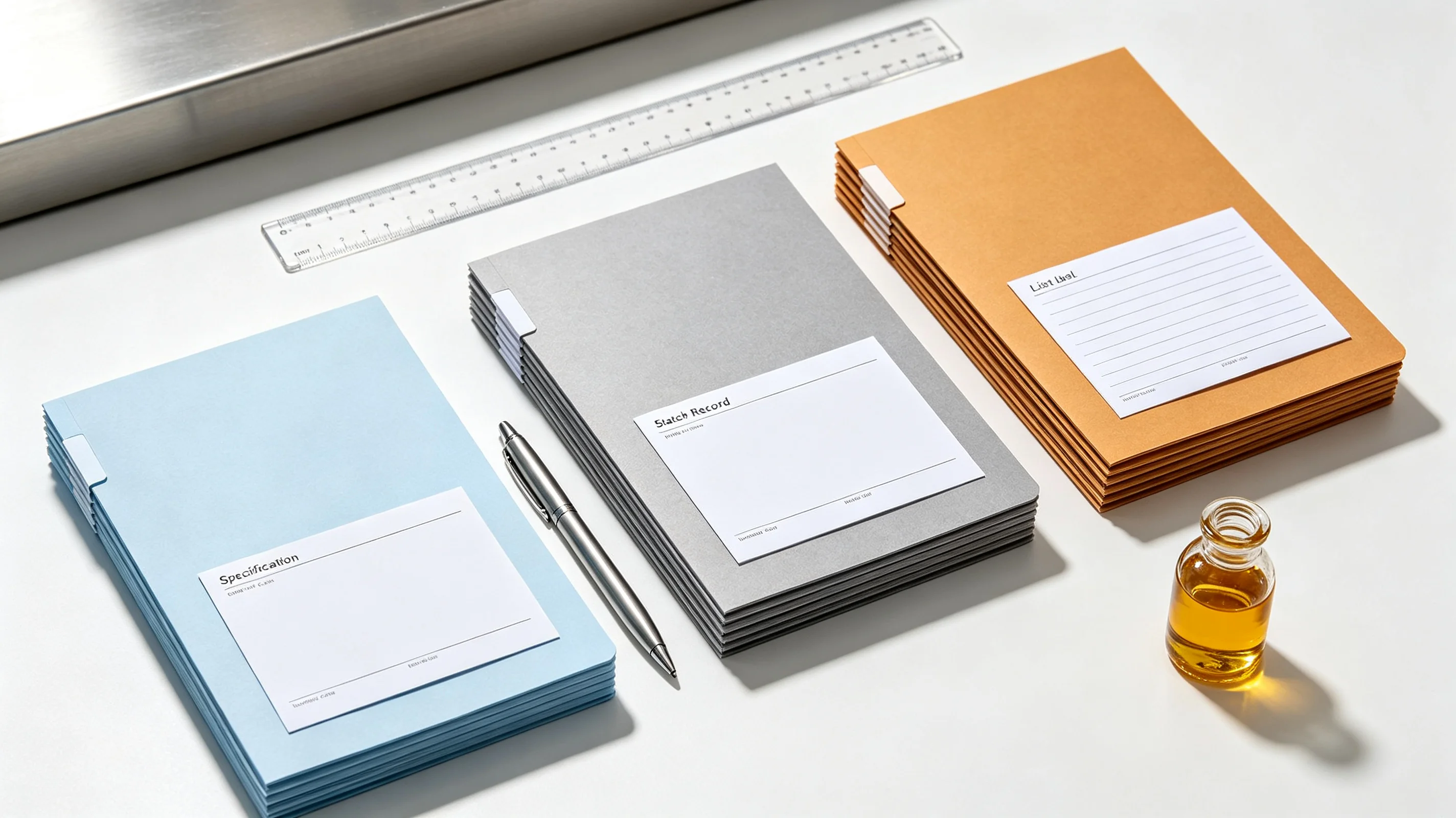
Write the deliverables down, because audits are document exercises.
| Document | Owner | What "good" looks like |
|---|---|---|
| Raw material COA | Oil supplier | Batch-specific, full panel, method stated |
| Fatty acid profile | Oil supplier | Batch measured, components listed |
| Stability data | Oil supplier / shared | Supports 24–36 months |
| Origin traceability | Oil supplier | Batch to growing base |
| Process validation | Contract manufacturer | Fill weight, seal integrity, parameters |
| Batch manufacturing record | Contract manufacturer | Complete, retrievable by batch number |
| Finished-product testing | Contract manufacturer / brand QA | Agreed panel, results on file |
| Release decision | Brand owner | Named role, written |
| Label compliance | Brand owner | ACCC-consistent English labelling |
| AUST L listing | Brand owner via Australian sponsor | Submitted, evidence on file |
| Retain samples | Both oil supplier and brand | 24 months, batch linked |
The three gaps that break audits
Missing stability data. Shelf life of 24–36 months is a claim you have to support. If nobody owns the stability file, it does not exist at the moment it is requested.
Batch records not shared. When the brand cannot retrieve the manufacturing record for a specific batch number, a complaint investigation stalls at the first step.
Unclear retain ownership. If both sides assume the other kept the retain, there is no sample to retest and no chain of custody.

Why Does This Split Decide Whether You Get Listed?
Listing decisions are evidence decisions. Buyers at pharmacy and retail level ask for a small, predictable set of documents, and a missing item delays the range review rather than triggering a negotiation.
| What reviewers look for | Evidence | If missing |
|---|---|---|
| GMP status of inputs | GMP certificate or manufacturer's statement | Input rejected |
| Product liability cover | Certificate, commonly $5Mn+ | Range review fails |
| Recall readiness | Written recall procedure | Listing delayed |
| Shelf-life support | Stability data for 24–36 months | Expiry shortened or listing refused |
| Traceability | Batch-to-origin record | Audit finding |
How Do You Write the Responsibility Matrix Into the Contract?
The contract should name owners, not describe intentions.
| Clause | Suggested content | Why it matters |
|---|---|---|
| Specification ownership | The agreed spec block is an annex | Prevents spec drift |
| Change control | Supplier must notify before any process or origin change | Silent changes break validation |
| Deviation notification | Written notice within an agreed window | Enables quarantine before use |
| Release authority | Named role on the brand side | Removes ambiguity in a crisis |
| Recall cooperation | Defined responsibilities and timelines | Recall plans fail without suppliers |
| Liability insurance | Certificate at $5Mn+ provided and renewed | Hard requirement for retail |
| Retain obligation | 24 months, both sides, batch linked | Creates evidence |
| Audit rights | Right to audit or to appoint a third party | Keeps verification possible |
| Remedy cap | Agreed liability cap and credit mechanism | Predictable outcomes |
What Does the Quality Agreement Need to Cover Beyond GMP?
A quality agreement is where the day-to-day relationship is actually governed, and it is easier to enforce than a purchase contract because it is operational.
| Item | What to specify |
|---|---|
| Change control | What counts as a change, notice period, revalidation trigger |
| Deviation management | Classification, notification window, disposition |
| Complaint handling | Response target (commonly within 24 hours), investigation depth |
| Annual review | Periodic review of batches, deviations and trends |
| Data integrity | Who holds records, retention period, access on request |
| Subcontracting | Whether subcontracting is allowed and with notice |
| Termination and material | What happens to stock, retains and documents on exit |
How Do You Verify Compliance Without Flying to China?
Travel is expensive and slow, so most buyers use a layered approach.
| Method | Cost | Evidence strength | Best used for |
|---|---|---|---|
| Document audit | Low | Medium | Routine annual review |
| Third-party audit report | Medium | Medium–high | New supplier qualification |
| Live video walkthrough | Low | Medium | Change verification, seasonal checks |
| Batch record sharing | Low | High (for the batch) | Every shipment |
| On-site audit in China | High | Highest | Strategic or high-volume suppliers |
Close every audit with a written finding list, an owner and a due date, then verify closure at the next review. An audit without closure is a photography exercise.
What Happens When Something Goes Wrong?
Exceptions follow a predictable path, and the path works only if the artefacts exist.
| Stage | Evidence | Decision | Outcome |
|---|---|---|---|
| Signal | Complaint, test result, market feedback | Quarantine affected batches | Scope contained |
| Investigation | Retain sample, batch record, deviation log | Root cause identified | Responsibility assigned |
| Determination | Contract clause and quality agreement | Supplier / manufacturer / brand | Liability agreed |
| Action | Recall procedure, if required | Execute with supplier support | Product removed if needed |
| Recovery | Insurance certificate, $5Mn+ | Claim filed | Cost shared per agreement |
| Review | Quarterly business review | Clause updated | Recurrence prevented |
FAQ
Is the supplier's GMP certificate enough? No. It covers the oil. You still need the contract manufacturer's process validation and batch records, and your own named release authority for the finished product.
Can a manufacturer's statement replace a GMP certificate? It depends on the reviewing party. Some accept a statement where a full certificate is not available for the input, but you should confirm with your sponsor and the listing reviewer before relying on it.
Who owns the AUST L listing, the brand or the supplier? The brand owner, submitted through an Australian sponsor. The supplier supports it with specification, stability and manufacturing documentation, but the listing sits with the brand.
How much product liability insurance is enough? Certificates at $5Mn+ are commonly requested at retail level. Confirm the requirement with your specific channel, and keep the certificate current rather than filing it once.
Who owns an ODM formulation, and can I take it elsewhere? Only if the contract says so. Decide ownership at the start: if you need portability, negotiate it before development rather than after a disagreement.
Can the brand audit the site in China? Yes, and a credible supplier will agree to it. If travel is not practical, agree on third-party audit reports plus live walkthroughs and full batch record access.
Who can release a deviated batch? Only the role you named in the contract. Anyone else releasing a deviated batch creates unmanaged liability for the brand.
How are recall costs shared? As agreed in the contract and quality agreement, usually tied to where the root cause sits, with the insurance claim as the backstop. Agree this before the first shipment, not during the incident.
Conclusion and Next Steps
Responsibility splits fail in the gaps, not in the certificates. A matrix, a quality agreement and an audit routine convert "I assumed they handled it" into a named owner with a document, and that is exactly what a listing reviewer is looking for.
Four steps to get there:
- Draw the responsibility matrix for your own project and fill in every deliverable cell.
- Sign a quality agreement covering change control, deviations, complaints within 24 hours and recall cooperation.
- Agree the audit method—documents, third-party report, live walkthrough or on-site—and set closure deadlines.
- Verify the $5Mn+ insurance certificate and the 24-month retain arrangement before the first production run.
Tell us your format, volume band and channel requirements, and we will return a responsibility matrix, a GMP and documentation pack, and a quality agreement template your QA and legal reviewers can work from directly.
This article was published on 2026-09-08, and last updated on 2026-09-09. The article will be continuously updated.